
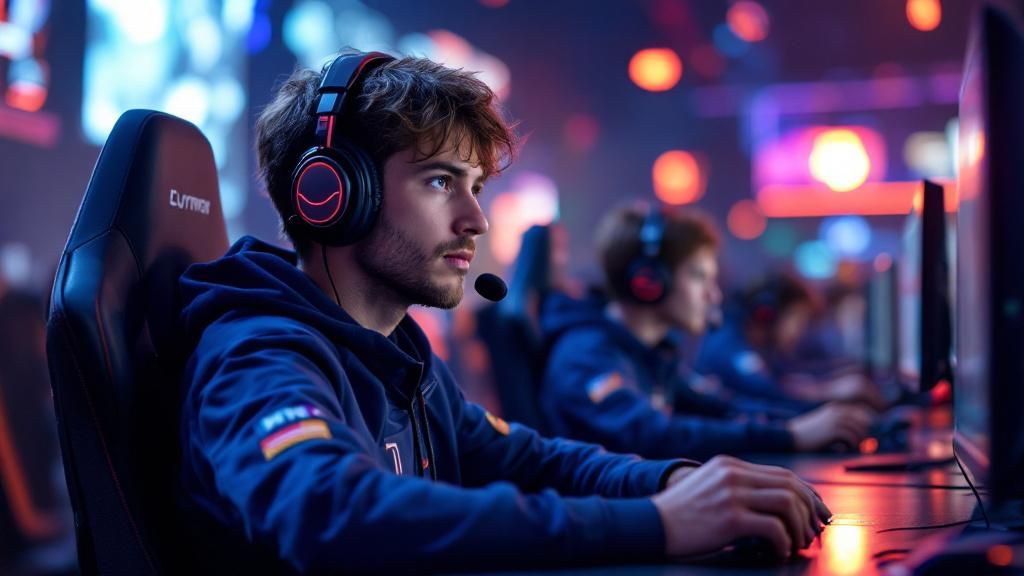
The esports industry has made considerable progress in emphasising competitor wellbeing. Leading esports bodies have collectively introduced a detailed player protection standards framework, addressing persistent issues about mental health, working conditions, and fair treatment within competitive esports. This landmark initiative constitutes a turning point for esports legitimacy, establishing baseline protections that could transform how the industry operates. We examine the framework’s central components, the bodies spearheading this shift, and what it means for players and the competitive gaming landscape moving forward.
Comprehensive Industry Pledge to Player Health
The coordinated partnership between prominent esports bodies marks a significant milestone for player protection within competitive gaming. This unified framework demonstrates the sector’s real dedication to establishing sustainable standards that place athlete welfare first alongside competitive excellence. By combining knowledge and capabilities, these organisations have established thorough standards addressing bodily fitness, psychological wellbeing, and workplace protection. The scheme shows expanding understanding that athlete wellbeing significantly affects competitive performance and career longevity, making it crucial for the industry’s standing and expansion.
Tournament organisers have recognised that previous standards were scattered and uneven, exposing competitors to overwork and exhaustion. The revised structure creates uniform requirements among principal events, guaranteeing all professional athletes gets fair consideration and access to essential support services. This coordinated approach eliminates competitive disadvantages resulting from differing safeguards and sets fair competition standards. Industry figures emphasise that these standards form essential foundations, encouraging organisations to exceed baseline expectations and create truly caring settings where competitors can excel both professionally and personally.
Core Features of the Welfare Provision
The newly formed welfare framework includes several interconnected pillars designed to safeguard player welfare thoroughly. These provisions cover psychological wellbeing support, physical health, reasonable working standards, and transparent dispute resolution processes. By integrating these elements, tournament administrators strive to develop a comprehensive strategy that treats esports athletes as competitive professionals deserving robust protections. The framework defines essential standards that all affiliated tournaments must implement, providing standardised player protections across the esports competitive sector.
Psychological Health Support Services
Acknowledging the psychological pressures present within esports at a professional level, the framework requires provision of qualified psychologists for all competing players. Tournament operators must provide confidential psychological support, through direct delivery or collaborative arrangements with experienced mental health organisations. These services encompass stress management, support for performance-related anxiety, and crisis support resources. Players gain access to qualified psychologists who understand esports-specific challenges, including online harassment, severe competitive pressure, and uncertain career prospects.
The framework further stipulates tournaments to introduce mental wellbeing education initiatives and stigma-reduction efforts within the community. Organisers need to educate players, coaches, and staff about spotting wellbeing issues and accessing appropriate support. Regular check-ins and wellbeing tracking mechanisms enable detect struggling players at an early stage, enabling early action before situations progress into severe mental health emergencies.
Physical Health Requirements
Tournament organisers must establish detailed wellness standards tackling ergonomics, break times, and medical oversight. The framework requires appropriate chairs, display positioning, and downtime to minimise overuse injuries common among esports professionals. Healthcare professionals must attend at major tournaments to address immediate medical concerns, whilst organisers are mandated to provide information about injury avoidance and appropriate healthcare resources for long-term player development.
Environmental circumstances at tournament facilities are now governed by strict requirements ensuring player wellbeing and safety. Regulations encompass temperature control, lighting standards, and noise levels to create optimal competitive conditions. Additionally, the framework promotes players to complete regular health assessments and delivers guidance on diet, sleep hygiene, and exercise routines crucial for sustained competitive excellence in esports.
- Workplace gear evaluations conducted by certified experts
- Required breaks between matches reducing athlete fatigue
- Medical personnel on location available during all competitive events
- Injury reduction training and rehabilitation service availability
- Wellness tracking systems tracking player wellbeing throughout seasons
Rollout Schedule and Standards
The framework will be implemented in three distinct phases, commencing immediately with foundational reviews across participating organisations. Tournament operators have agreed to completing baseline audits of their current practices by the end of the first quarter, pinpointing differences between existing protocols and the new standards. This initial stage ensures a detailed evaluation of each organisation’s baseline position before introducing significant modifications. Following phases will involve staff training, guideline amendments, and the establishment of external compliance frameworks to secure conformity and accountability throughout the esports ecosystem.
The standards themselves encompass mandatory provisions addressing mental health support, practical training timetables, and transparent prize distribution protocols. Each organisation should establish a specialist player welfare representative responsible for addressing grievances and maintaining compliance with guidelines. Regular audits, conducted by third-party bodies, will confirm adherence and pinpoint aspects needing enhancement. These thorough safeguards set defined targets for competitor welfare, with regulatory tools including monetary sanctions and potential tournament sanctions for organisations unable to meet required standards.
Sector Response and Future Perspective
The announcement has attracted widespread support from key figures within the competitive gaming sector. Players’ associations have commended the framework as a essential move towards professionalising the sector, whilst organisation proprietors and sponsors acknowledge the potential for improved legitimacy and longevity. Hardware producers and content distribution networks have committed to integrate welfare considerations into their day-to-day activities, demonstrating a unified resolve to structural reform. Initial signs suggest that oversight organisations and state representatives perceive the standards with approval, conceivably facilitating legislative recognition of competitive gaming as a recognised professional industry.
Looking ahead, industry observers anticipate that this framework will serve as a template for worldwide implementation, with regional tournaments and smaller competitions expected to adopt comparable standards. The initiative is likely to encourage ongoing discussion regarding athlete remuneration, professional progression routes, and mental health resources. As esports continues its rapid expansion, these player protections represent a vital protection mechanism ensuring that competitive gaming remains viable, inclusive, and considerate for all participants, ultimately reinforcing the industry’s position as a legitimate competitive sector.
