
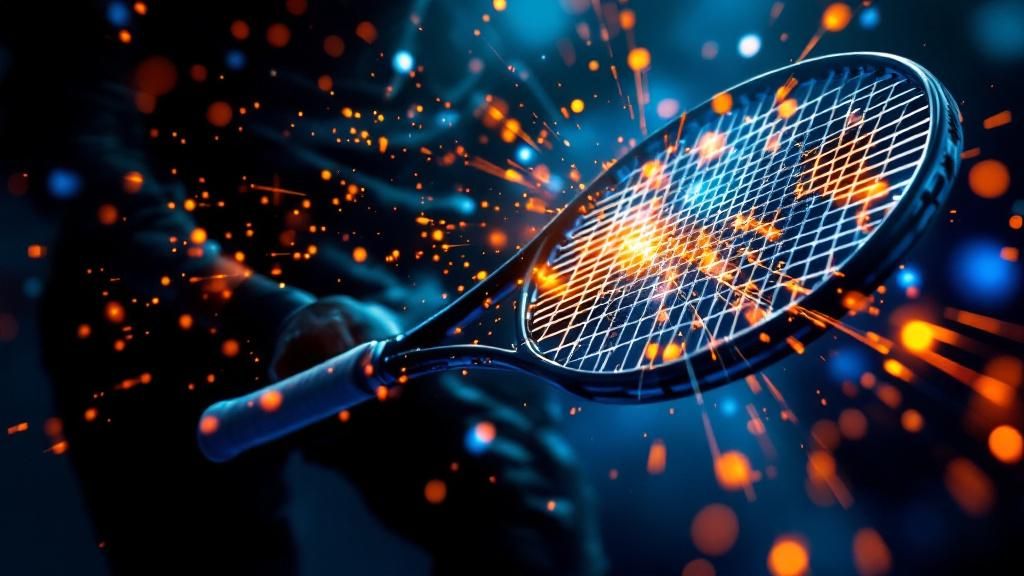
Tennis and badminton players have frequently experienced repetitive strain injuries, yet contemporary equipment innovations is revolutionising injury prevention on the court. Latest developments in material engineering, shock reduction, and ergonomic design are significantly reducing the physical toll on athletes’ joints and muscles. This article examines how advanced racket technology—from graphene-based materials to smart vibration-control technology—are enhancing both safety and athletic performance. Discover why investing in new rackets could be the most important investment in your long-term athletic health and longevity.
The Development of Racket Engineering
Racket design has undergone a significant evolution over the last 20 years, driven by developments in material technology and biomechanics studies. Early wooden rackets gave way to aluminium construction, which subsequently yielded to carbon fibre and composite materials. Today’s sophisticated engineering integrates multiple material layers, each selected for specific properties—structural stiffness, flexibility, and vibration dampening. Modern manufacturers utilise computer modelling and load analysis to optimise frame geometry, ensuring that every racket provides improved results whilst minimising unnecessary vibration that contributes to injuries among players.
The incorporation of advanced substances such as graphene, aramid fibres, and engineered resins represents the zenith of present-day racket design. These materials deliver outstanding structural efficiency, enabling manufacturers to create reduced-weight structures without diminishing durability or control. Engineers now concentrate significantly on shock-reduction mechanisms, integrating specialised inserts and multi-layer approaches that absorb impact energy before it reaches the player’s arm and shoulder. This progression reflects a substantial transformation in racket philosophy—from simply maximising power to prioritising player safety and long-term joint health without undermining competitive capability.
Core Technologies Lowering Risk of Injury
Modern racket construction employs advanced composite materials, particularly graphene-infused frameworks, which substantially improve structural integrity whilst decreasing overall weight. These complex composites spread impact stress more evenly across the racket frame, lessening focused pressure that traditionally damages players’ elbows, shoulders, and wrists. Additionally, contemporary string bed technology uses precision-engineered synthetic fibres that absorb vibration more effectively than traditional options. The convergence of these technologies creates a gentler playing feel, allowing athletes to sustain their competitive advantage whilst substantially lowering injury risk during demanding practice periods and professional matches.
Vibration dampening systems represent an important advancement in injury-prevention technology. Manufacturers now integrate advanced shock absorbers within the racquet frame and string intersections, effectively neutralising the harmful oscillations that travel through players’ arms upon ball contact. Advanced grip technologies have also evolved, featuring ergonomic designs that minimise hand tiredness and improve shock absorption at the point of contact. These combined technologies work synergistically to cushion impact forces, decrease risk of inflammation, and promote better biomechanical alignment during play. Consequently, players experience decreased muscle aches, quicker recovery periods, and enhanced overall joint wellbeing throughout their sporting careers.
Implementing Premium Rackets in Your Game
Transitioning to an high-performance racket calls for careful evaluation of your game characteristics and personal physical demands. Begin by speaking to a trained equipment expert who can analyse your existing playing method, strength, and any current physical limitations. Today’s rackets offer adjustable settings relating to mass allocation, handle diameter, and string pressure, allowing you to discover the ideal fit for your specific circumstances. Trying various rackets ahead of a purchase confirms you select gear that truly improves your performance whilst offering maximum injury prevention for your particular situation.
The financial investment in premium racket technology should be viewed as a ongoing physical wellbeing priority rather than a mere hardware cost. Whilst high-performance rackets generally expense considerably beyond standard alternatives, the potential savings in therapy costs, clinical care, and downtime from injury warrant the initial outlay. Many seasoned professionals and dedicated enthusiasts note that upgrading to technologically advanced rackets has lengthened their playing careers significantly. Additionally, improved comfort and lessened soreness during play support improved stroke mechanics and increased pleasure of the sport overall.
Maximising the advantages of your new racket involves proper maintenance and gradual adaptation to the equipment. Allow yourself a few weeks to adjust to the racket’s characteristics, as your muscle memory and technique will need recalibration. Regular maintenance—including string replacement, grip care, and frame inspection—preserves the racket’s protective qualities and performance potential. Combining your advanced racket with suitable conditioning work, proper warm-up routines, and sound technique ensures you experience the complete injury-prevention benefits that modern racket technology offers to contemporary players.
